
Irene’s Biomass Project and Political Fall
Gente que viene y ¡Bah!Irene’s effort to bring investment and jobs to San Esteban develops into a bitter public controversy that costs her the mayoralty.
increasing Bearing strength in each event
 decreasing
Bearing strength in each eventdecreasingA Vision for the Town
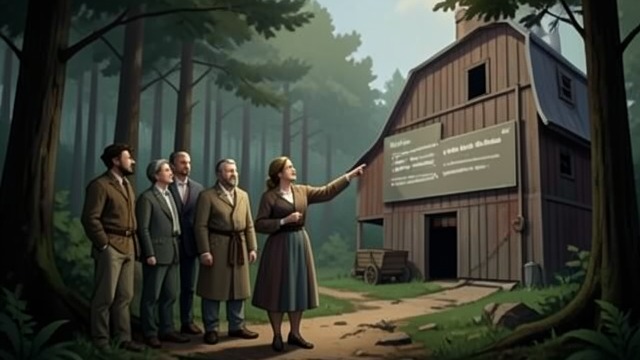
Development as a political promise
Irene’s case for biomass
Irene explains that the sawmill’s biomass operation could use forestry waste and eventually support a much larger electricity plant. She sees it as a chance to create jobs and make the town less dependent on tourism and fishing.
A divided community
Residents disagree over whether the project means clean development or damage to shared forests. Irene’s defense is practical and forceful, but her confidence can make opponents feel dismissed rather than persuaded.
The conflict begins as a contest between economic hopes and environmental concern. It also tests whether Irene can build public consent while wielding the authority of a mayor.
A Political and Business Alliance
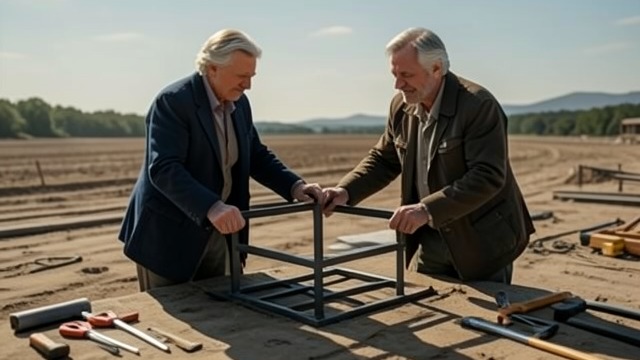
Ambition and dependence
A joint effort
Irene works closely with Diego to assemble land, local support, and outside investment for the proposed power plant. She believes the project could create more than a hundred jobs and make San Esteban an energy pioneer.
Mounting vulnerability
The alliance brings the town’s political future close to Diego’s business risks. Opposition figures, including Román, challenge the project, while local arguments over woodland ownership make the partnership increasingly visible.
Irene’s commitment gives the project momentum, but also leaves her vulnerable to any failure by Diego. The closer the political and commercial interests become, the harder it is for her to appear independent of them.
The Trees and the Public Image
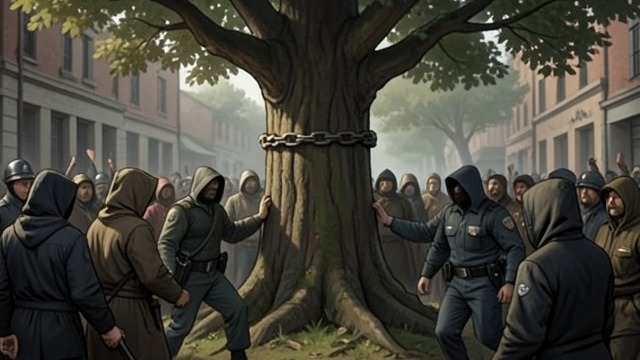
A private dispute becomes political
The family intervention
Bea wrongly believes her family’s chestnuts are being felled without consent and leads a protest that ends with León and Débora detained. The land had already been sold, but the arrests create images and rumors that can be used against the project.
Damage control
Irene asks Bea and Débora to help prevent a false account from spreading. They explain the sale contract to Pacheco, yet the episode remains available as a symbol of coercion and favoritism.
A family misunderstanding becomes a public liability because it touches the same anxieties already dividing the town. Irene’s political opponents can now frame ordinary confusion as evidence of a wider pattern.
The Revised Plant Agreement
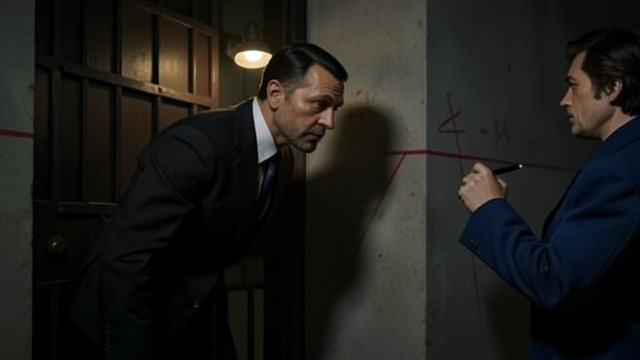
A compromise with consequences
Securing investment
Facing the loss of Emerge, Diego accepts a four-percent reduction in the project’s price and revises equipment specifications to make the deal attractive. The change increases projected emissions, though it remains within stated European limits.
Irene’s incomplete knowledge
The revised agreement reaches Irene’s desk, but she does not read it before Rebeca questions her on camera. Diego had intended to explain the change, but the interview and the resulting turmoil overtake that conversation.
The agreement exposes a real ethical compromise without proving that Irene knowingly deceived the town. Its timing lets political opponents present the project as a betrayal before Irene can explain what she knew and accepted.
The No-Confidence Vote

Losing office
A public defeat
Rebeca’s interview presents the plant as environmentally damaging and Irene as politically compromised. A large demonstration follows, attracting national attention and undermining the claim that opposition is confined to a few activists.
The project’s collapse
Emerge abandons Diego’s project, leaving his business in danger. Irene’s coalition then loses its majority when five members of her own party vote against her in a no-confidence motion.
Irene refuses to slip away quietly, but the vote ends her mayoralty. Her defeat arises from both genuine controversy and a political storm amplified by timing, family scandal, and disputed trust.
During Bea’s first night back in the family home
As the electricity plant seeks an investor
After the logging protest and family arrests
Immediately before Rebeca’s television interview
After the mass demonstration
